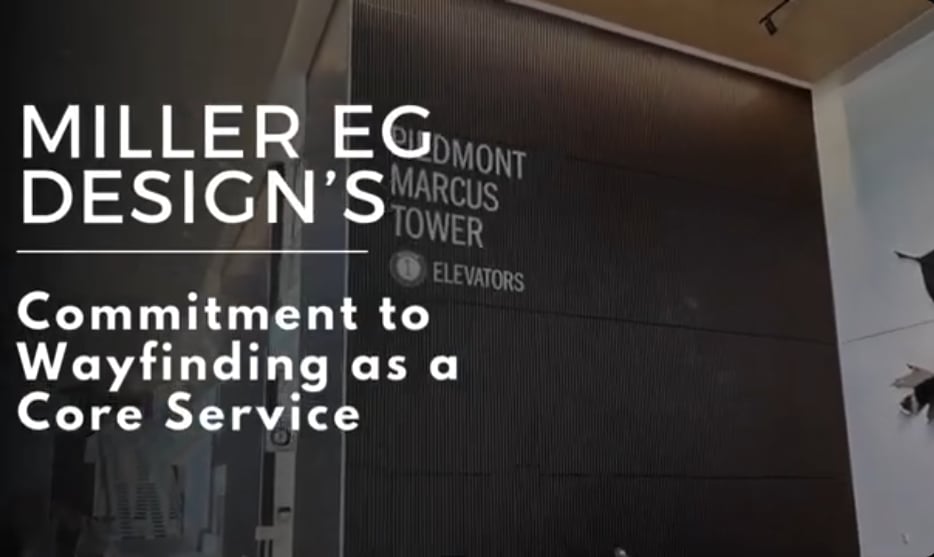
In the world of environmental design, every wall, hallway, and open space presents an opportunity to guide, inform, and inspire. Miller EG Design’s latest video, “MILLER EG DESIGN’S COMMITMENT TO WAYFINDING AS A CORE SERVICE,” takes viewers inside their philosophy, process, and passion for turning environments into intuitive, meaningful experiences.
Wayfinding is more than directional signage — it’s an essential layer of communication woven into the built world. And Miller EG Design shows how creativity and strategy combine to make spaces easier, clearer, and even more enjoyable to navigate.
Experiential Graphics: More Than Signage
The video defines experiential graphics as a powerful blend of storytelling, visual identity, environmental psychology, and navigation.
Rather than thinking of graphics as labels on walls, Miller EG Design treats them as elements you experience physically — moving through, interacting with, and absorbing information effortlessly.
By merging brand identity with functional design, they create environments that feel cohesive, purposeful, and expressive.
Wayfinding That Reduces Stress and Enhances the Environment
Effective wayfinding is not just about getting from point A to point B.
Miller EG Design emphasizes that a well-designed system can:
-
Minimize confusion in complex spaces
-
Reduce anxiety for visitors, patients, and users
-
Reinforce branding and architectural design
-
Improve the overall emotional experience of the space
Whether someone is navigating a hospital, university campus, airport, or civic center, strategic wayfinding helps people feel grounded, confident, and informed.
A Thoughtful, Full-Cycle Design Process
One of the video’s key insights is the firm’s comprehensive approach. Miller EG Design’s process goes far beyond choosing colors or icons. They begin with:
1. Research and Analysis
Understanding how people move through the environment, what they struggle with, and what information they need most.
2. Concept and Design
Creating a visual language that aligns with the brand and supports intuitive navigation.
3. Fabrication
Ensuring materials, finishes, and construction methods withstand real-world use while expressing the brand’s personality.
4. Installation
Integrating each element into the environment with precision, clarity, and long-term functionality.
This holistic approach ensures that every graphic, sign, and directional element becomes a natural part of the environment rather than an afterthought.
Tailored Solutions for Diverse Environments
The video highlights Miller EG Design’s ability to adapt their approach across varied industries. Each environment poses unique challenges — and opportunities:
-
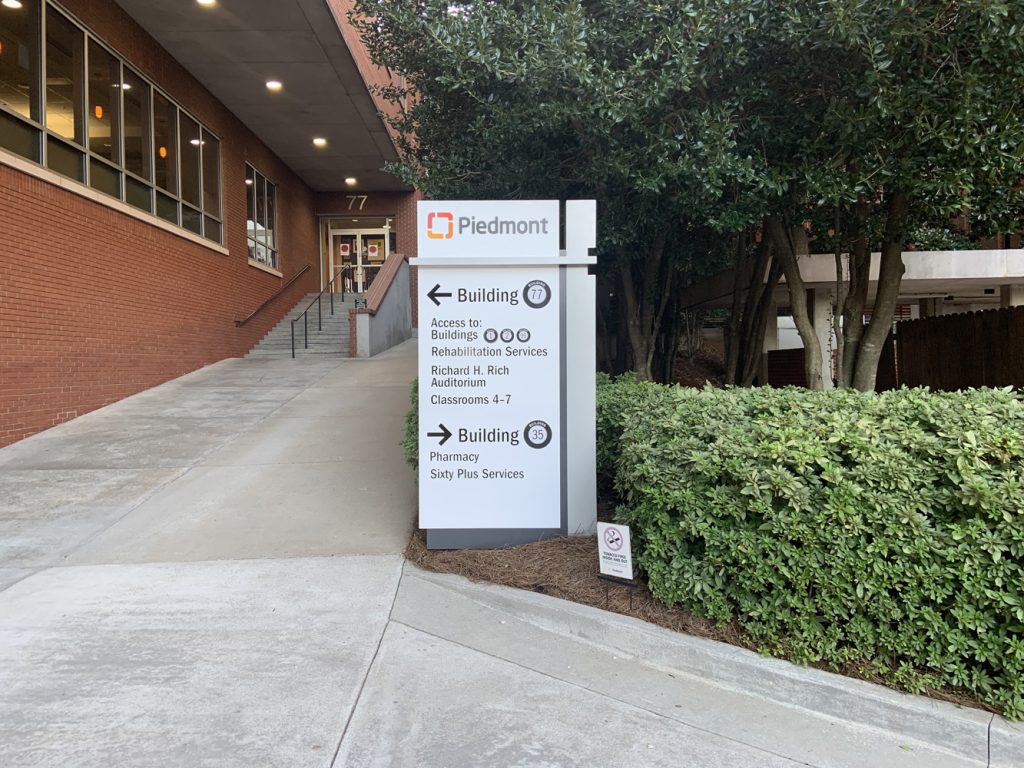
Healthcare: Reducing patient anxiety and helping families navigate complex facilities.
-
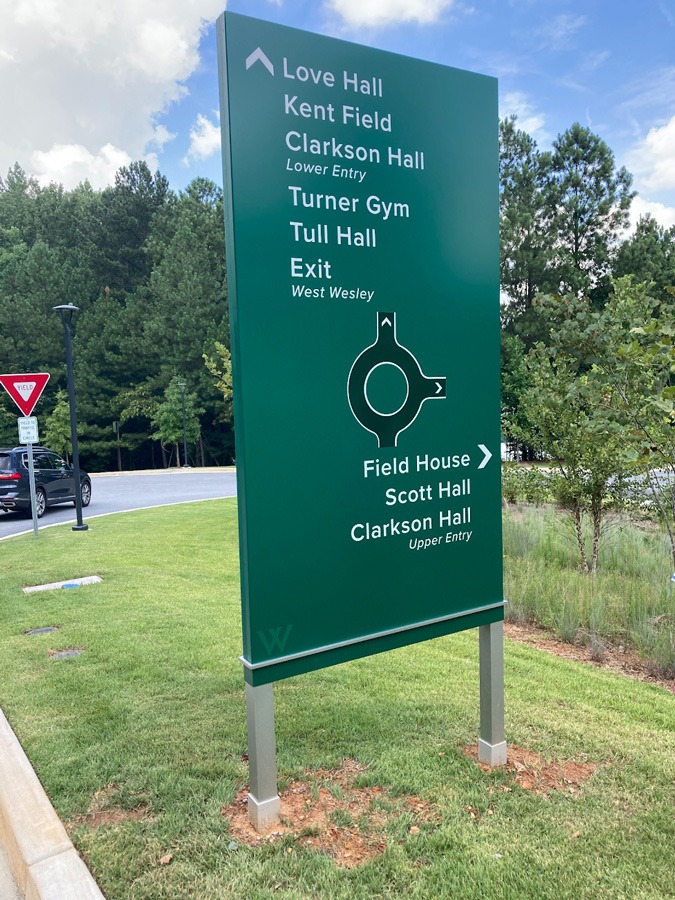
Education: Guiding students and visitors through large campuses with clarity and consistency.
-
Transportation: Streamlining flow in busy hubs like train stations or airports.
-
Civic & Public Spaces: Creating accessible, intuitive environments for all users.
-
Hospitality: Reinforcing brand identity while ensuring effortless movement through venues.
Here, art meets science — and each solution is carefully calibrated to the people who use the space.
Transforming Built Environments Into Meaningful Experiences
From branded feature walls to corridor graphics and directional systems, experiential design can significantly impact how people perceive and interact with a space.
The video showcases how Miller EG Design blends creativity with purpose to transform plain walls and hallways into immersive experiences that inform, delight, and guide.
This is a design that performs — visually, emotionally, and functionally.
Watch the Full Video
If you’re a designer, architect, facility manager, or simply someone who appreciates the built environment, this video offers a deep look at how wayfinding shapes human experience.
Watch the full video here:
MILLER EG DESIGN’S COMMITMENT TO WAYFINDING AS A CORE SERVICE
If you find the content valuable, don’t forget to like, share, and subscribe to support the conversation around experiential graphics and the design of our physical world.