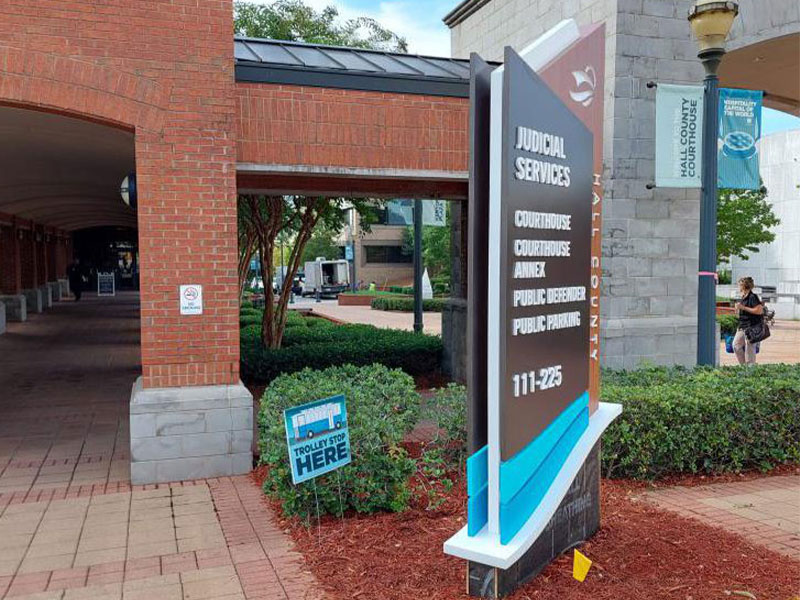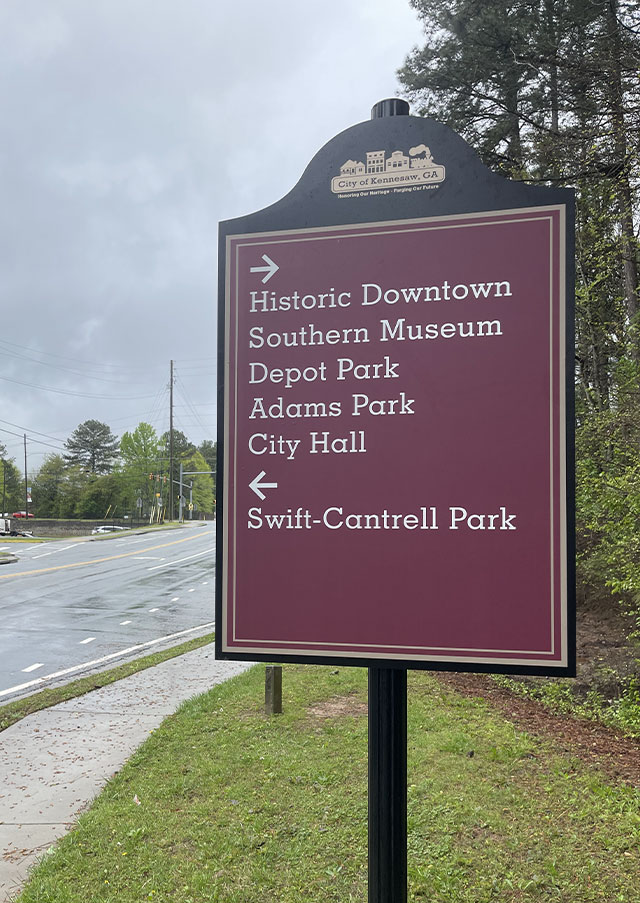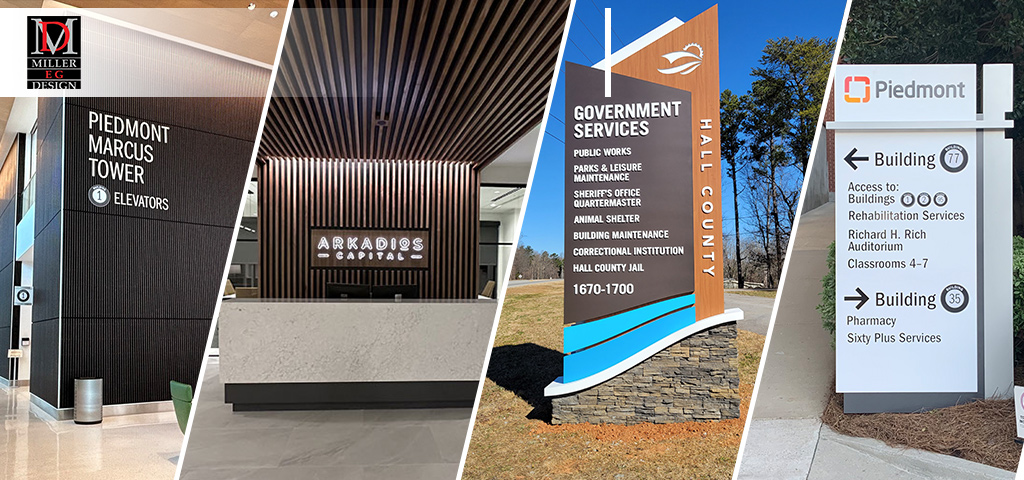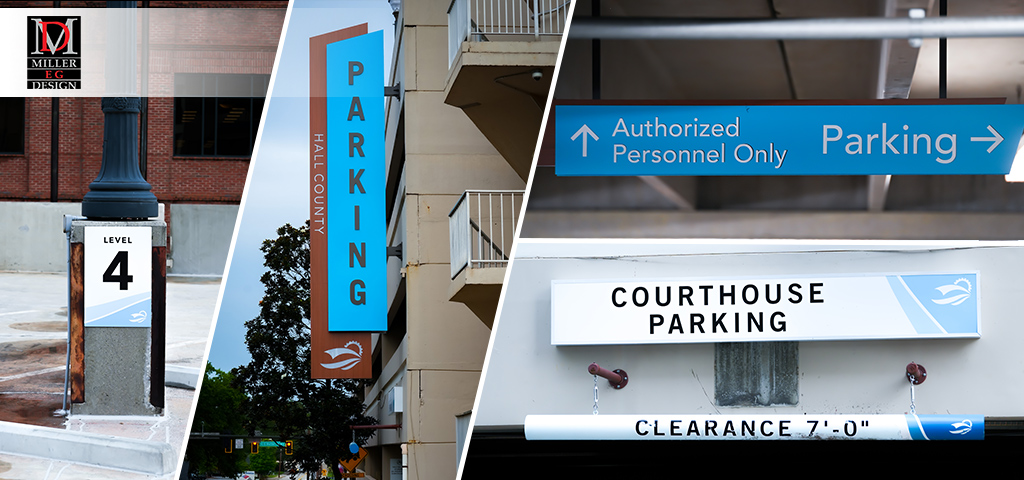
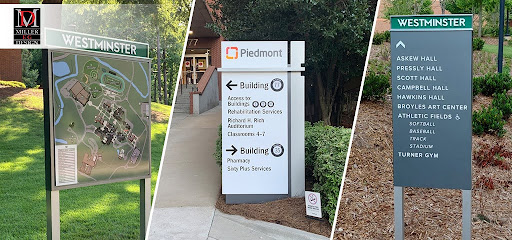
The moment someone steps into a hospital, clinic, campus, or civic space, their stress level is already elevated—and confusing navigation only makes it worse. Wayfinding isn’t just about signs on walls; it’s about creating calm, confidence, and clarity in environments where people need to feel safe and supported. Healing through navigation happens when design, safety, and wellness work together to guide people seamlessly through space.
Why Wayfinding Design Impacts Wellness
Wayfinding design plays a critical role in how people experience an environment. Clear navigation reduces anxiety, improves accessibility, and helps individuals focus on what truly matters—whether that’s receiving care, attending an appointment, or moving through a public space efficiently. Poor wayfinding can increase frustration, elevate stress, and even create safety risks.
Effective wayfinding systems are rooted in environmental psychology. When people can intuitively understand where to go, their bodies and minds respond positively. This sense of control supports emotional well-being, especially in healthcare, educational, and civic environments where users may already feel vulnerable or overwhelmed.
Designing for Safety and Clarity
Safety is a foundational element of successful wayfinding. Directional signage, visual cues, and spatial hierarchy all contribute to safer movement through buildings and outdoor environments. Well-designed wayfinding minimizes congestion, prevents wrong turns, and helps users quickly locate exits, services, and key destinations.
Accessibility is also essential. Inclusive wayfinding design considers diverse needs, including visual contrast, readable typography, tactile elements, and logical placement. These features support individuals of all abilities and reinforce a sense of dignity and independence. When safety and accessibility are embedded into the design process, the environment becomes more welcoming and functional for everyone.
The Role of Design in Emotional Comfort
Design has the power to influence mood. Color palettes, materials, lighting, and typography all affect how people perceive a space. In wayfinding, these elements can be used to create calm, reduce visual clutter, and establish intuitive pathways.
Human-centered wayfinding design prioritizes simplicity and consistency. Clear visual language, cohesive branding, and predictable navigation patterns help users orient themselves quickly. This is especially important in healthcare and wellness-focused environments, where emotional comfort directly impacts the overall experience.
Practical Wayfinding Strategies That Support Healing
Thoughtful wayfinding systems are built on strategy, not guesswork. Here are a few practical design principles that support safety and wellness:
Start with clear hierarchies by identifying primary destinations and guiding users step-by-step rather than overwhelming them with too much information at once.
Use consistent visual cues such as color coding, icons, and typography to reinforce direction and recognition.
Design signage placement based on natural decision points where people pause or change direction.
Integrate wayfinding into the architecture and landscape so navigation feels intuitive rather than forced.
Plan for scalability, allowing systems to grow and adapt as spaces evolve.
These strategies reduce cognitive load and create a smoother, more reassuring journey through any environment.
Wayfinding as a Long-Term Investment
Wayfinding is often overlooked during planning, yet it delivers long-term value. A well-executed system reduces the need for staff intervention, improves operational efficiency, and enhances overall user satisfaction. More importantly, it contributes to a sense of well-being by removing unnecessary stress from everyday navigation.
At Miller EG Design, wayfinding is approached as a strategic design discipline—one that balances aesthetics, functionality, and human experience. By aligning design with safety and wellness goals, spaces become easier to navigate and more supportive of the people who use them.
Serving Communities Through Purpose-Driven Design
Miller EG Design is based at 315 Northpoint Pkwy SE, Suite F, Acworth, GA 30102, serving clients across Georgia and beyond with thoughtful, human-centered wayfinding and environmental graphic design solutions. Every project is guided by a commitment to clarity, safety, and meaningful user experiences.
If you’re planning a space where navigation, wellness, and safety must work together seamlessly, thoughtful wayfinding design can make all the difference. To learn more, call (404) 947-6448 and explore how strategic navigation can support healthier, more intuitive environments. For clients seeking Atlanta wayfinding design solutions, Miller EG Design proudly serves the metro area with expertise rooted in research-driven design.