The Evolution of Navigation
Wayfinding has always been about clarity—guiding people through space with confidence and ease. Traditionally, this has been achieved through carefully designed physical elements: signage, landmarks, spatial cues, and environmental graphics.But as the environments we design become more complex—and the expectations of users continue to evolve—wayfinding must extend beyond the physical.
Today, the most effective systems are no longer static. They are adaptive, layered, and responsive—integrating digital technologies that enhance how people interact with space in real time.At Miller EG Design, we see this not as a departure from traditional wayfinding, but as its natural progression.
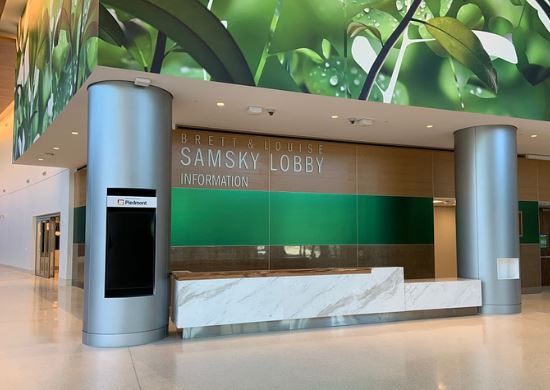
From Signage to System: A Shift in Thinking
Wayfinding is no longer a collection of signs—it is a coordinated system of communication.
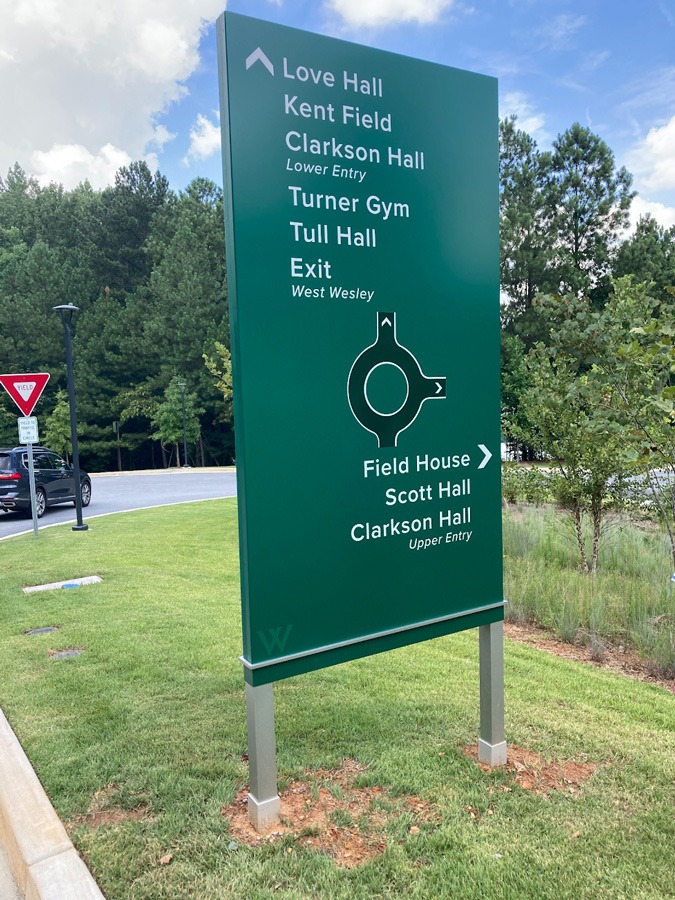
Our work across healthcare campuses, municipal environments, and mixed-use developments has always required us to think holistically:
How do users arrive?
Where do they hesitate?
What information do they need—and when?
These same questions now extend into the digital realm.
By integrating technology into wayfinding systems, we create environments that are not only easier to navigate—but more intuitive, more inclusive, and more responsive to change.
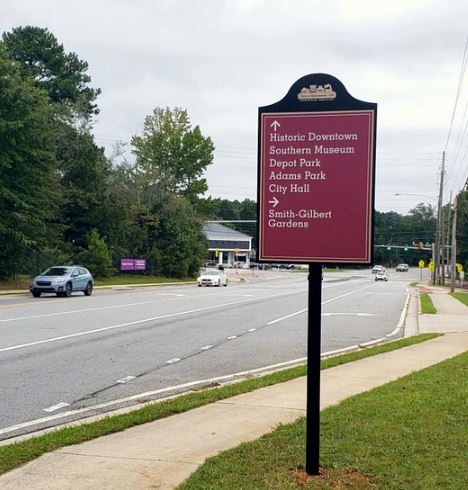
Digital Mapping: Real-Time Orientation in Complex Environments
Digital mapping introduces flexibility into environments that are constantly evolving. In projects such as large healthcare campuses and multi-building facilities, navigation challenges are rarely static. Departments relocate, entrances shift, and user needs vary from moment to moment. By incorporating interactive kiosks, mobile-enabled maps, and real-time data, digital wayfinding systems allow users to:
Instantly locate destinations
Adjust routes dynamically
Reduce uncertainty in high-stress situations
The key to success lies in continuity. Digital interfaces must reflect the same visual language as the physical environment—aligning typography, color, iconography, and hierarchy to create a seamless user experience.
Featured Project Insight: Healthcare Navigation as a Foundation for Digital Integration
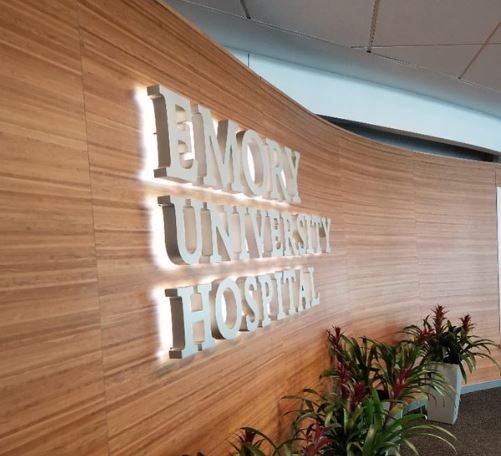
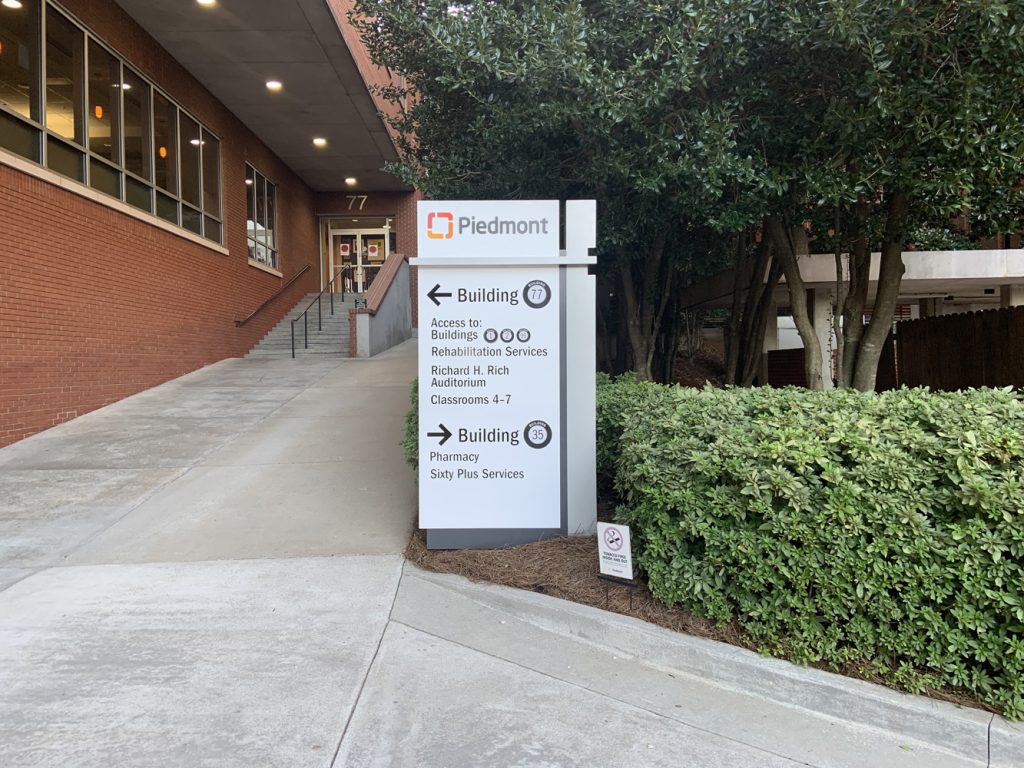
Our work with major healthcare institutions—including campus-wide systems at Emory and Piedmont—demonstrates how complex environments demand layered wayfinding strategies.
These facilities serve diverse users: patients under stress, first-time visitors, and staff navigating time-sensitive situations. The physical signage systems we’ve implemented establish a clear and consistent framework for movement throughout these campuses.
However, these same environments present a natural opportunity for digital extension.
The structured logic behind departmental organization, circulation paths, and decision points creates a foundation that can be translated directly into digital mapping platforms—allowing future integration without disrupting the existing system.
In this way, thoughtful physical design becomes the backbone of scalable, technology-enabled navigation.
View our healthcare wayfinding projects
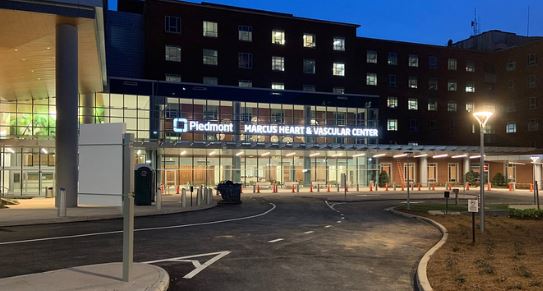
Designing for a Hybrid Future
The integration of physical and digital wayfinding requires a shift from designing objects to designing systems.
At Miller EG Design, this means:
Ensuring redundancy—spaces remain navigable with or without technology
Prioritizing accessibility for all users
Maintaining consistency across all touchpoints
Designing with future adaptability in mind
Technology is not an overlay—it is an extension of the environment itself.
Wayfinding has always been about helping people understand where they are and where they need to go.Today, it also has the potential to shape how they experience a place entirely.
By integrating digital tools with thoughtfully designed physical systems, we create environments that are not only navigable—but responsive, engaging, and human-centered.
This is the future of wayfinding: A seamless connection between space, information, and experience.
And it is already taking shape.
Let’s talk about your next project: https://milleregdesign.com/contact
Why Partner with Miller EG Design?
Miller EG Design combines decades of expertise with a collaborative approach to insure our solutions meet your organization’s specific needs. Our services include:
Design and Planning: Tailored systems that comply with industry regulations and reflect your brand identity.
Fabrication and Installation: High-quality materials built to last, installed with precision.
Ongoing Maintenance: Support to keep your system functional and up-to-date over time.
Our proven track record with healthcare facilities, municipalities, educational campuses, and more makes us the trusted choice for organizations prioritizing excellence in navigation and design.