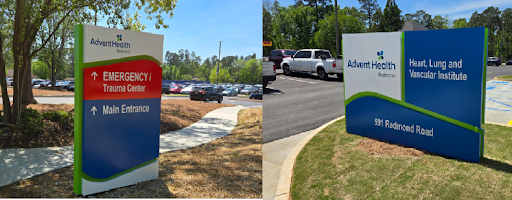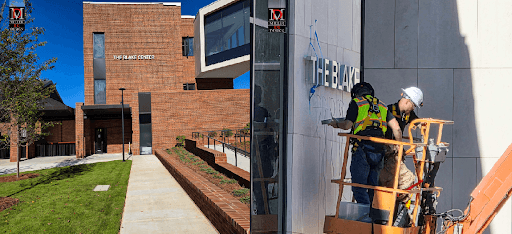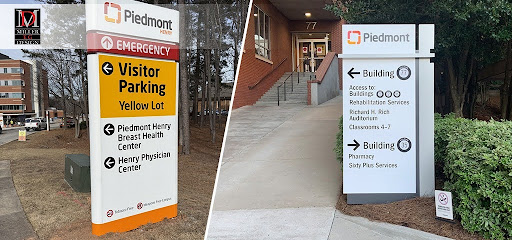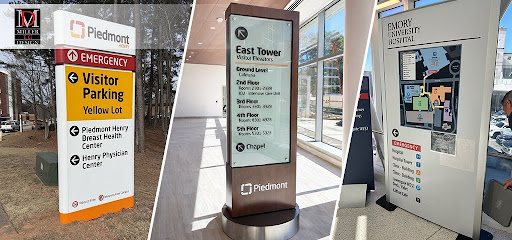
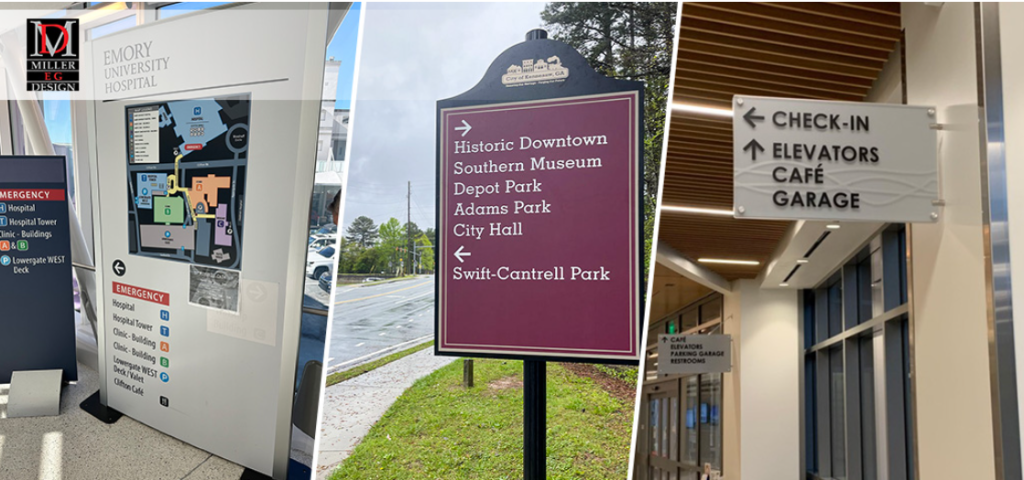
In today’s complex built environments, clean and effective wayfinding systems are more than just signage—they are essential tools that help people navigate safely and efficiently. From hospitals and airports to commercial campuses and educational institutions, thoughtful wayfinding can significantly improve user experience, reduce confusion, and ensure compliance with legal and safety standards.
Designing wayfinding systems that meet compliance requirements requires a careful balance between creativity, functionality, and regulatory adherence. Designers must understand the needs of diverse users, from first-time visitors to people with visual or mobility impairments, while also considering the physical environment and available resources. A successful system integrates visual cues, clear messaging, and intuitive pathways that guide users naturally from one point to another.
Understanding Compliance Standards
Wayfinding systems are often governed by a variety of local, state, and federal codes, including accessibility guidelines such as the Americans with Disabilities Act (ADA). Compliance standards dictate aspects like signage placement, height, text size, contrast, and braille or tactile features. For example, ADA requirements specify that signage must be legible, positioned at accessible heights, and use characters and symbols that are easily readable by all users. Ignoring these standards can result in legal liabilities and compromise user safety.
In addition to accessibility, building codes may include fire safety and emergency egress regulations. Wayfinding systems should clearly indicate exits, emergency routes, and assembly points, using universally recognized symbols and directional signage. Incorporating these elements ensures both regulatory compliance and a heightened sense of safety for building occupants.
Designing for Human Behavior
Understanding human behavior is critical when creating wayfinding systems. Users often rely on landmarks, visual cues, and consistency in design to navigate spaces effectively. Designers should conduct thorough analyses of traffic patterns, bottlenecks, and points of confusion to anticipate user needs. Placement of signage should be strategic—visible from primary decision points, free from visual clutter, and aligned with natural sightlines.
Wayfinding is also about consistency. Fonts, colors, icons, and messaging should follow a standardized design language across the entire space. This not only enhances brand identity but also reduces cognitive load, allowing users to intuitively understand and follow directions without unnecessary effort.
Integrating Technology
Technology can enhance traditional wayfinding solutions. Digital directories, interactive kiosks, and mobile navigation apps provide dynamic support for visitors in large or complex facilities. These tools can be updated in real-time to reflect changes in layout, temporary closures, or special events. However, even with digital aids, physical signage remains essential to meet code compliance, especially for emergencies where electronic systems might fail.
When combining technology with traditional signage, it is crucial to maintain clarity and accessibility. Digital interfaces should meet the same standards of readability, contrast, and accessibility as physical signs. Integrating multiple layers of guidance ensures that all users, regardless of age or ability, can navigate spaces effectively and safely.
Testing and Iteration
Effective wayfinding design requires iterative testing. Conducting user trials and feedback sessions can reveal gaps or points of confusion that may not be apparent on paper. Observing how different user groups interact with the system helps designers refine placement, messaging, and design elements.
Post-installation evaluation is equally important. Regular maintenance, updates, and audits ensure that the system continues to meet compliance standards and serves its intended purpose. Signage should remain legible, free of damage, and consistent with evolving regulatory requirements.
Collaboration and Planning
Designing compliant wayfinding systems is not a task that occurs in isolation. Architects, interior designers, engineers, and accessibility consultants must collaborate from the earliest stages of a project. By integrating wayfinding considerations into the overall design process, teams can ensure that signage aligns with spatial planning, aesthetic goals, and regulatory requirements.
Wayfinding systems play a critical role in enhancing safety, accessibility, and user experience in any built environment. Designers must balance creativity with compliance, integrating clear visual communication, accessible pathways, and technology to support diverse users. Iterative testing, collaboration, and ongoing evaluation are key to creating systems that work effectively in real-world conditions.
For expert guidance in designing wayfinding systems that meet compliance standards, Miller EG Design is here to help. Located at 315 Northpoint Pkwy SE, Suite F, Acworth, GA 30102, you can reach us at (404) 947-6448 for personalized solutions tailored to your project’s needs.