Healthcare campuses are often vast, complex environments made up of multiple buildings, departments, and services. For patients and visitors—many already under stress—navigating these spaces can feel overwhelming. Poor wayfinding doesn’t just create frustration; it can lead to missed appointments, delayed care, and increased operational inefficiencies. Transforming this chaos into clarity requires a strategic design approach that prioritizes simplicity, accessibility, and the human experience.
Why Navigation Matters More Than You Think
In healthcare settings, navigation is not just about convenience—it directly impacts outcomes. When patients struggle to find their way, stress levels rise, and satisfaction drops. Staff also lose valuable time giving directions instead of focusing on care. Effective navigation systems reduce confusion, streamline movement, and enhance overall efficiency within the facility.
Clear wayfinding contributes to:
- Reduced patient anxiety
- Improved appointment punctuality
- Increased staff productivity
- Better overall patient experience
In short, when people can easily find where they need to go, the entire system functions more smoothly.
Common Navigation Challenges in Healthcare Campuses
Healthcare campuses often evolve, with new buildings, renovations, and expansions added without a unified design strategy. This leads to several common issues:
- Inconsistent Layouts:
Disconnected buildings and mismatched floor plans create confusion, especially for first-time visitors. - Poor Signage:
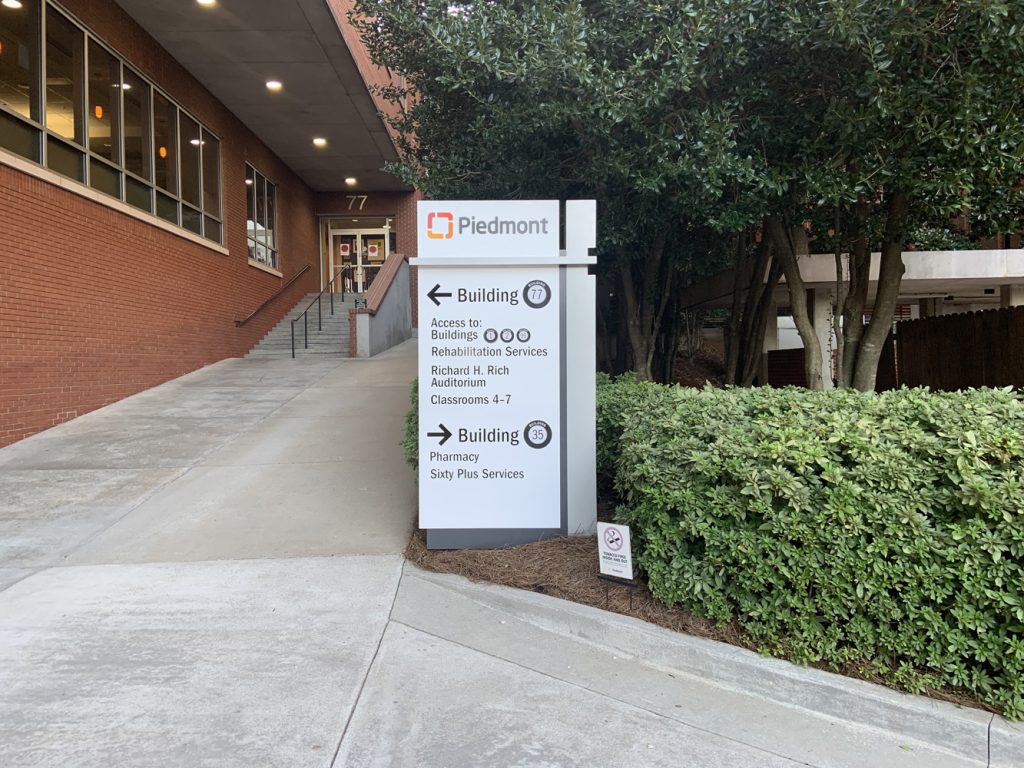
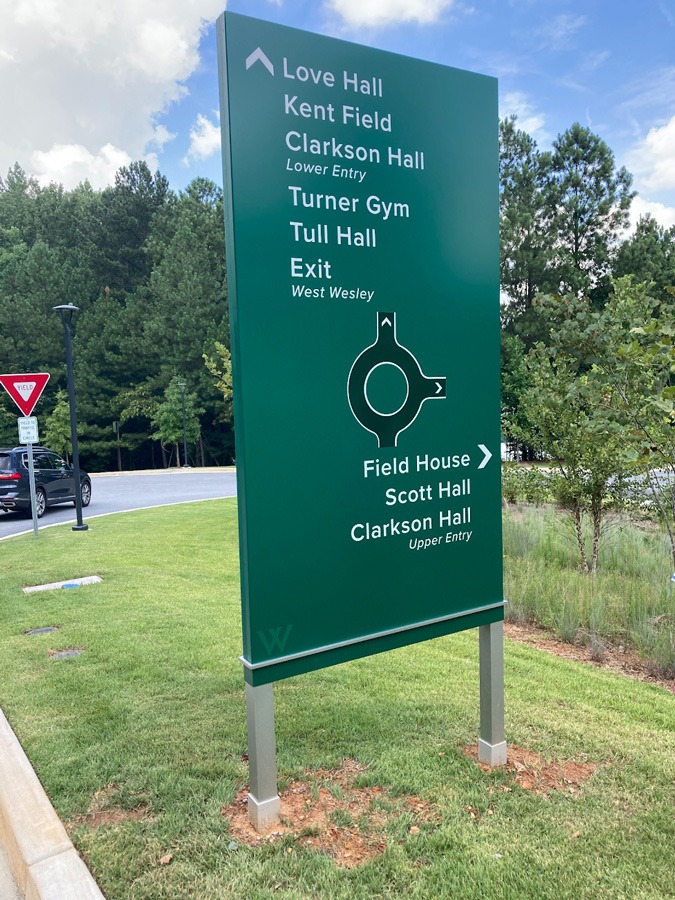
Signs that are unclear, inconsistent, or poorly placed fail to guide users effectively. - Lack of Visual Cues:
Without landmarks or intuitive design elements, spaces can feel repetitive and disorienting. - Overwhelming Scale:
Large campuses can be intimidating, especially for patients with mobility challenges or for those with time-sensitive appointments.
Recognizing these issues is the first step toward creating a more navigable environment.
The Role of Strategic Design in Wayfinding
Solving navigation problems starts with intentional design. Rather than relying solely on signage, modern healthcare campuses integrate wayfinding into the architecture itself.
Intuitive Layouts:
Designing spaces with logical flow helps users move naturally from one area to another. Clear entry points, visible pathways, and centralized hubs make navigation easier.
Zoning and Organization:
Grouping related departments together reduces unnecessary movement and confusion. For example, placing outpatient services in one zone and inpatient services in another creates clarity.
Visual Landmarks:
Incorporating distinct features—such as artwork, color-coded areas, or unique architectural elements—helps users orient themselves and remember routes.
Consistent Signage Systems:
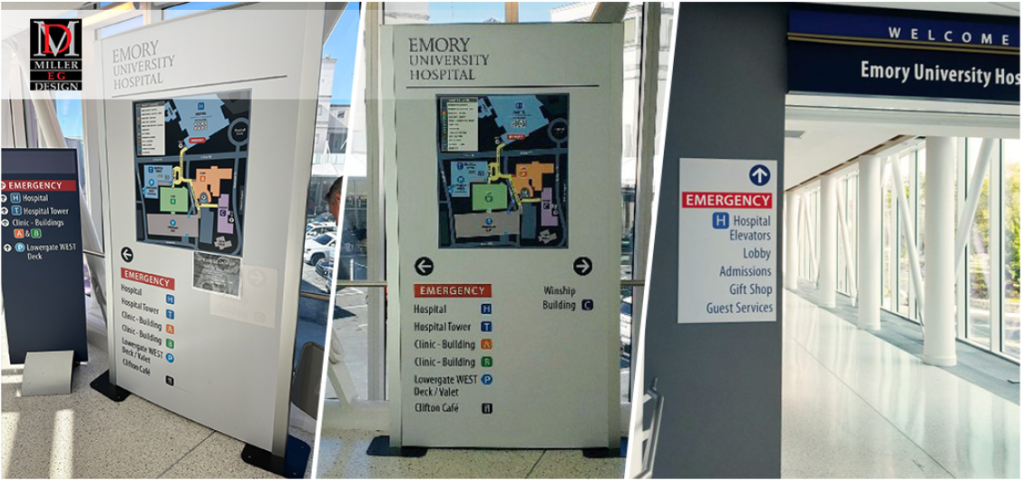
When signage is necessary, it should be simple, consistent, and easy to understand. Clear typography, universal symbols, and strategic placement make a significant difference.
Leveraging Technology for Better Navigation
Technology is playing an increasingly important role in solving wayfinding challenges. Digital tools can complement physical design to create a seamless navigation experience.
Interactive Maps:
Touchscreen kiosks and mobile apps allow users to search for destinations and receive step-by-step directions.
Real-Time Navigation Apps:
GPS-based indoor navigation systems guide users through complex facilities, much like outdoor navigation apps.
Digital Signage:
Dynamic displays can provide updated directions, announcements, and alerts, improving communication across the campus.
By combining physical design with digital solutions, healthcare facilities can meet the needs of a wide range of users.
Designing with the User in Mind
At the heart of effective wayfinding is a deep understanding of the people using the space. Healthcare campuses serve diverse groups, including patients, visitors, and staff—each with different needs and expectations.
Designers must consider:
- Accessibility for individuals with disabilities
- Language differences and cultural considerations
- Stress levels and emotional states
- Time sensitivity of medical appointments
Empathy-driven design ensures that navigation systems are not only functional but also supportive and reassuring.
The Long-Term Impact of Clear Navigation
Investing in a better wayfinding solution in Atlanta is not just a short-term fix—it delivers long-term benefits. Facilities with clear navigation systems experience higher patient satisfaction, improved operational efficiency, and stronger reputations.
As healthcare continues to evolve, the importance of user-centered design will only grow. Clear, intuitive navigation is no longer optional—it’s essential.
In transforming healthcare campuses from confusing mazes into welcoming, easy-to-navigate environments, thoughtful design plays a critical role. If your facility is ready to move from chaos to clarity, Miller EG Design can help bring that vision to life. Located at 315 Northpoint Parkway SE, Suite F, Acworth, GA 30102, and reachable at (404) 947-6448, Miller EG Design specializes in creating functional, user-focused healthcare environments that improve both experience and efficiency.