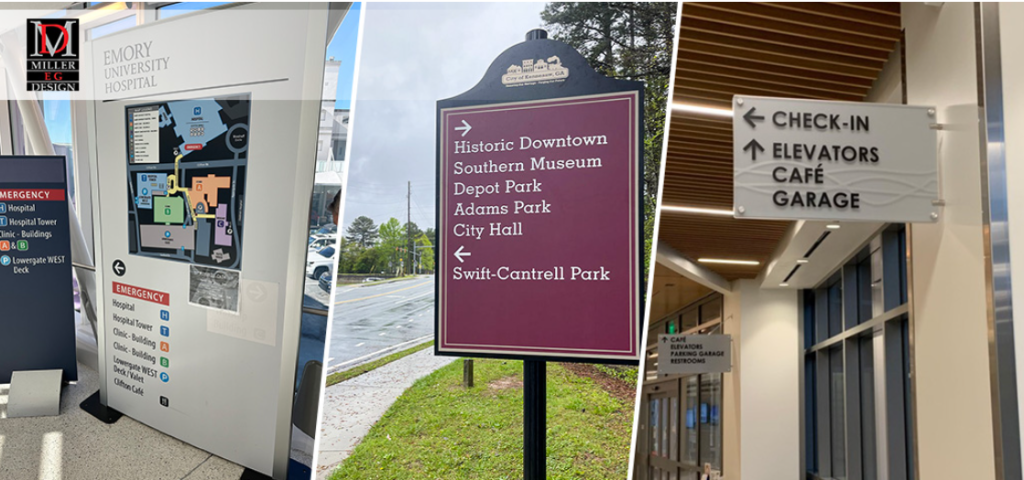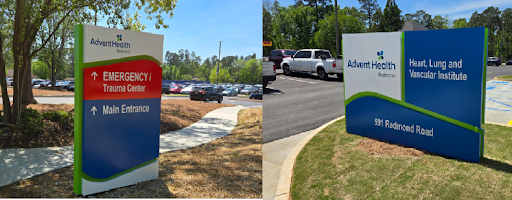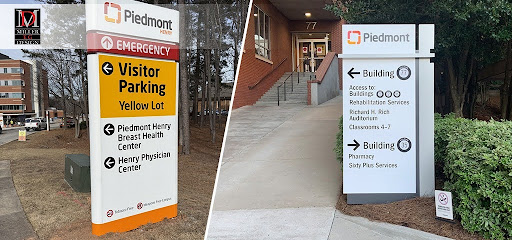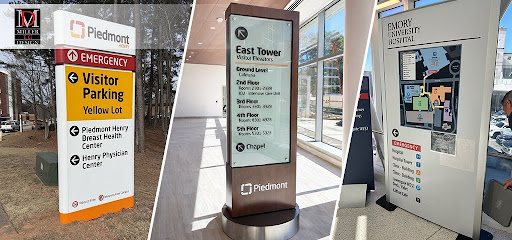
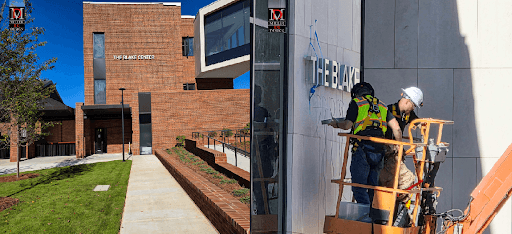
Wayfinding has evolved far beyond simple directional signs. In today’s complex environments, people expect navigation systems that are intuitive, visually engaging, and seamlessly integrated into the spaces around them. This shift has given rise to experiential wayfinding, an innovative approach that combines design, storytelling, architecture, and human-centered planning to create environments that are easy to navigate while leaving a lasting impression.
Organizations across education, healthcare, municipal, and commercial sectors are discovering that effective wayfinding does more than help visitors find their destinations. It enhances user experiences, reinforces brand identity, improves accessibility, and contributes to overall operational efficiency.
What Is Wayfinding?
Wayfinding is the process of helping people understand and navigate physical environments. It involves strategically designed visual cues, signage systems, landmarks, maps, and environmental graphics that guide users through buildings, campuses, public spaces, and cities.
A successful wayfinding system accomplishes several important goals:
- Improves visitor confidence and reduces confusion
- Supports accessibility and ADA compliance
- Enhances safety and emergency response
- Reinforces organizational branding
- Creates a stronger sense of place
- Improves traffic flow and operational efficiency
When designed correctly, wayfinding feels almost invisible because users instinctively know where to go without consciously thinking about navigation.
The Rise of Experiential Wayfinding
Experiential wayfinding takes traditional navigation systems to the next level by incorporating storytelling, environmental graphics, architectural elements, color theory, typography, and placemaking strategies.
Rather than simply directing people from point A to point B, experiential wayfinding creates meaningful connections between individuals and their surroundings. Every visual element contributes to an immersive experience that reflects the culture, history, mission, or identity of a space.
This approach is especially valuable in large environments such as:
- University campuses
- Healthcare facilities
- Museums and cultural centers
- Municipal districts
- Commercial developments
- Mixed-use properties
- Transportation hubs
By blending aesthetics with functionality, experiential wayfinding transforms navigation into an engaging journey rather than a simple task.
A Powerful Example: Westminster Academy Tunnel Transformation
One of the most impressive examples of experiential wayfinding in action is the Westminster Academy Tunnel Transformation project.
What was once a dark and underutilized pedestrian tunnel beneath a busy roadway became a vibrant and inspiring gateway connecting upper and lower campus areas.
The project demonstrates how thoughtful design can completely change the perception and functionality of a space.
Turning Infrastructure Into Identity
Instead of treating the tunnel as merely a passageway, the design team reimagined it as a central part of the campus experience. Through large-scale graphics, storytelling elements, and school branding, the tunnel became a destination rather than an obstacle.
Community-Driven Design
A key aspect of the project involved collaboration with students and school stakeholders. Their input helped shape visual themes that reflected campus values, traditions, and identity.
This collaborative approach ensured the final design resonated with the people who use the space every day.
Durability Meets Creativity
The project utilized high-quality materials specifically selected to withstand weather exposure, heavy pedestrian traffic, and long-term wear. This combination of durability and visual impact ensures the installation remains effective and attractive for years to come.
Enhanced Safety Through Lighting
The integration of upgraded lighting improved visibility and safety while amplifying the effectiveness of the environmental graphics. Together, these elements transformed the tunnel into a welcoming and secure environment.
The Westminster Academy project serves as a powerful reminder that wayfinding can elevate even the most overlooked spaces into meaningful community assets.
What Sets Miller EG Design Apart?
Creating successful experiential wayfinding systems requires expertise that extends beyond graphic design or signage alone. It demands a comprehensive understanding of architecture, environmental psychology, branding, and user behavior.
Miller EG Design has established itself as an industry leader by bringing all these disciplines together through a highly collaborative and proven process.
Comprehensive Project Delivery
Unlike firms that focus solely on design, Miller EG Design provides end-to-end solutions, including:
- Research and planning
- Concept development
- Design and prototyping
- Fabrication
- Installation
- Ongoing maintenance and support
This integrated approach ensures consistency, quality, and long-term performance throughout every project.
Diverse Industry Experience
The firm’s portfolio spans a wide variety of environments, including:
- Educational institutions
- Healthcare systems
- Municipal projects
- Commercial developments
- Historic destinations
- Public spaces
Each project is tailored to meet the unique needs of its users while reflecting the identity of the organization or community it serves.
Expertise You Can Trust
Led by Tim Miller, a certified Professional Member of the Society for Experiential Graphic Design (SEGD), the company follows industry-leading standards and best practices in experiential design.
This commitment to excellence has earned the trust of prestigious organizations and institutions seeking innovative navigation solutions.
The Business Benefits of Better Wayfinding
Organizations that invest in experiential wayfinding often see benefits beyond improved navigation.
Effective systems can:
- Reduce visitor frustration and anxiety
- Lower staff time spent giving directions
- Improve customer satisfaction
- Strengthen brand recognition
- Enhance property value
- Create memorable visitor experiences
Whether guiding hospital patients, university students, city visitors, or commercial tenants, thoughtful wayfinding contributes directly to a more positive and efficient environment.
Creating More Meaningful Spaces Through Design
As environments become larger and more complex, the demand for intuitive navigation solutions continues to grow. Experiential wayfinding offers a powerful opportunity to improve functionality while creating memorable, engaging places that people enjoy visiting.
For organizations seeking innovative experiential wayfinding solutions in Atlanta, Miller EG Design delivers a proven combination of strategic planning, environmental graphics, signage expertise, and human-centered design. From educational campuses and healthcare facilities to municipal and commercial developments, Miller EG Design helps transform spaces into intuitive, inspiring destinations. Contact Miller EG Design at 315 Northpoint Pkwy SE, Suite F, Acworth, GA 30102, call (404) 947-6448, and discover how a better wayfinding strategy can elevate your environment.