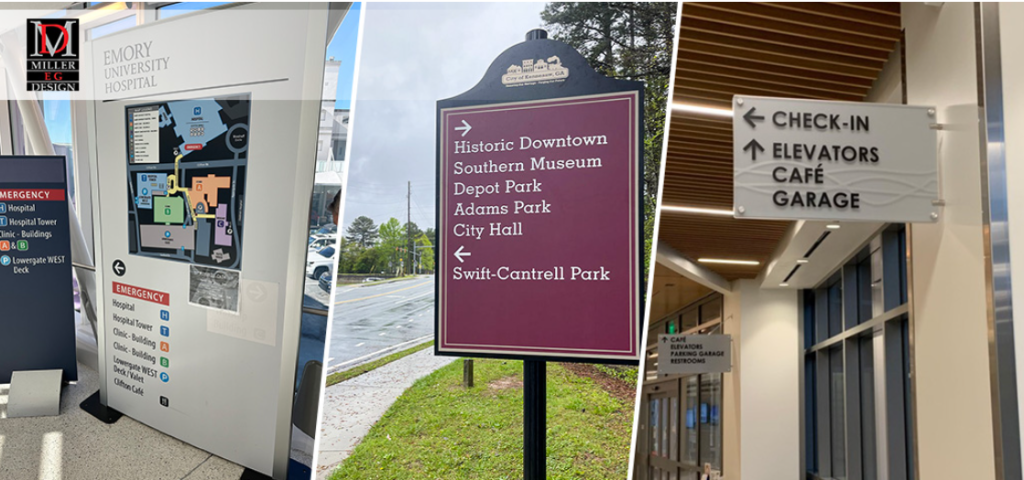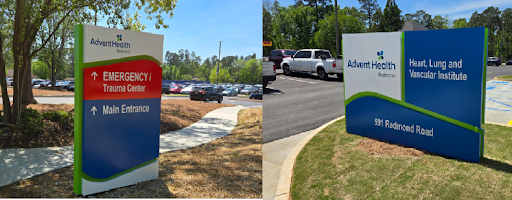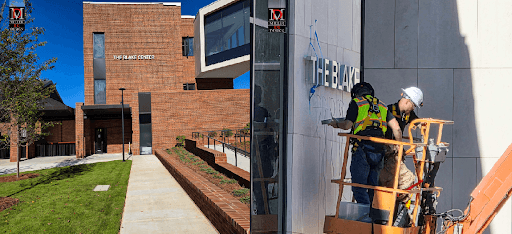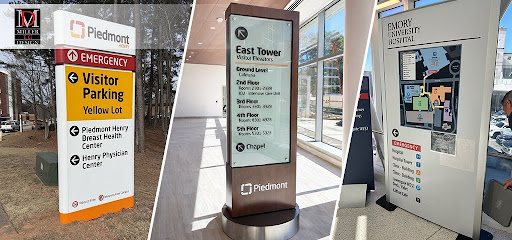
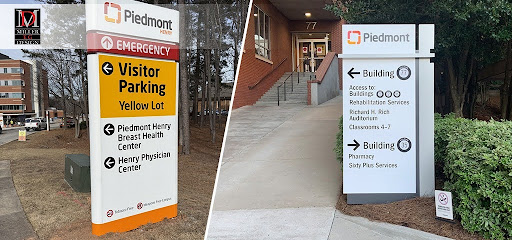
Large healthcare campuses are designed to provide exceptional medical care, but they can also be confusing to navigate. Multiple buildings, specialty clinics, parking garages, emergency entrances, elevators, and interconnected hallways often leave first-time visitors feeling overwhelmed. One wrong turn can result in missed appointments, increased stress, and additional workload for hospital staff.
So, how can healthcare facilities make navigation easier for everyone? The answer begins with well-designed facility maps that work as part of a comprehensive wayfinding strategy.
Why Are Healthcare Facility Maps So Important?
Healthcare environments are unlike shopping centers or office buildings. Visitors are often anxious, distracted, or visiting during stressful situations. They need information that is simple, accurate, and immediately understandable.
An effective facility map helps patients and visitors:
- Locate departments quickly
- Find the shortest accessible routes
- Identify entrances and exits
- Locate parking areas
- Navigate between buildings
- Reduce confusion and delays
Staff members also benefit from clear navigation systems, allowing them to spend less time providing directions and more time focusing on patient care.
Can Better Wayfinding Improve Patient Satisfaction?
Yes. Studies have consistently shown that navigation directly affects the patient experience.
Research published by the Center for Health Design reports that confusing healthcare environments contribute to patient anxiety, lost productivity, and operational inefficiencies. Well-planned wayfinding systems improve satisfaction while reducing frustration for both visitors and employees.
In addition, The Joint Commission emphasizes creating environments that support patient safety, accessibility, and clear communication—making intuitive navigation an essential part of modern healthcare design.
What Makes an Effective Healthcare Facility Map?
A successful healthcare map is more than a directory. It should communicate information quickly without overwhelming users.
Key design principles include:
Clear Visual Hierarchy
The most important destinations should stand out immediately. Emergency departments, imaging centers, surgery, outpatient clinics, and visitor services should be easy to locate through typography, color, and layout.
Simple Color Coding
Color coding different buildings or departments helps visitors remember routes more easily. Consistent use of colors throughout maps, directional signs, and digital kiosks reinforces navigation.
Easy-to-Read Typography
Healthcare visitors include people of all ages and abilities. Large, legible fonts improve accessibility and reduce reading errors.
“You Are Here” Indicators
People orient themselves faster when maps clearly show their current location. These markers should be prominent and easy to identify within the overall campus layout.
Universal Symbols
Recognized icons for restrooms, elevators, parking, emergency services, pharmacies, and information desks reduce language barriers and improve comprehension.
Should Digital Maps Replace Printed Maps?
Not entirely.
The best healthcare facilities combine both digital and physical navigation tools.
Printed maps remain valuable because they:
- Require no technology
- Work during emergencies
- Provide quick reference
- Help visitors before entering the building
Digital directories offer additional advantages, including:
- Interactive search
- Real-time directions
- Department updates
- Accessibility routing
- Multilingual support
Together, these solutions create a seamless navigation experience.
How Do Facility Maps Support Hospital Operations?
Poor navigation affects more than visitors.
When patients cannot find their destination, staff members frequently stop their work to give directions. This interrupts workflows, reduces productivity, and increases operational costs.
Clear facility maps help hospitals by:
- Reducing late arrivals
- Lowering appointment delays
- Improving visitor confidence
- Supporting emergency response
- Enhancing operational efficiency
- Creating a more welcoming environment
Every minute saved through effective navigation contributes to a better healthcare experience.
Why Should Facility Maps Match the Entire Wayfinding System?
A facility map should never function as a standalone piece.
Instead, it should integrate with:
- Exterior directional signs
- Parking signage
- Interior directories
- Department identification signs
- Elevator directories
- Digital kiosks
- Environmental graphics
Consistency builds familiarity. When visitors recognize the same colors, symbols, typography, and terminology throughout a campus, navigation becomes intuitive.
How Often Should Healthcare Maps Be Updated?
Healthcare facilities constantly evolve.
New buildings, relocated departments, expanded parking, renovated entrances, and temporary construction all affect navigation. Outdated maps quickly become ineffective and may even create safety concerns.
Healthcare organizations should regularly review and update facility maps to reflect operational changes and ensure visitors always receive accurate information.
Why Invest in Professional Wayfinding Design?
Designing healthcare maps requires more than graphic design skills. It demands an understanding of environmental psychology, accessibility standards, user behavior, and spatial planning.
Professional experiential graphic designers create navigation systems that are visually appealing while improving usability, accessibility, and operational performance. Every element—from map orientation to icon placement—is intentionally designed to reduce confusion and improve the visitor journey.
At Miller EG Design, we believe exceptional navigation begins with understanding how people move through complex environments. If you’re searching for wayfinding design in Atlanta, GA. From our office at 315 Northpoint Pkwy SE Suite F, Acworth, GA 30102, we design facility maps and comprehensive wayfinding systems that improve user experiences across healthcare campuses and other complex facilities. Contact us today at (404) 947-6448 to learn how we can help transform your environment with strategic wayfinding design.