The Growing Importance of Patient-Centered Healthcare Design
In modern healthcare environments, design plays a critical role in shaping how patients feel, move, and heal within a space. Hospitals and clinics are no longer seen as purely functional facilities—they are evolving into patient-centered environments where comfort, clarity, and emotional well-being are prioritized. One of the most impactful ways this shift is happening is through the integration of healing art and wayfinding systems using experiential graphics.
We understand that patients often enter healthcare facilities feeling anxious, vulnerable, or overwhelmed. Thoughtfully designed visual environments can help ease those emotions and create a sense of calm from the moment they step inside.
What Is Healing Art in Healthcare Spaces?
Healing art refers to visual elements—such as murals, nature-inspired imagery, abstract compositions, and calming color palettes—specifically chosen to reduce stress and promote emotional well-being. These visuals are strategically placed in waiting rooms, corridors, patient rooms, and treatment areas.
Studies in environmental psychology have shown that exposure to calming visuals, especially those inspired by nature, can lower heart rate, reduce anxiety, and even improve patient recovery experiences. By integrating healing art into healthcare spaces, we help create environments that feel less clinical and more human.
The Role of Wayfinding in Reducing Patient Stress
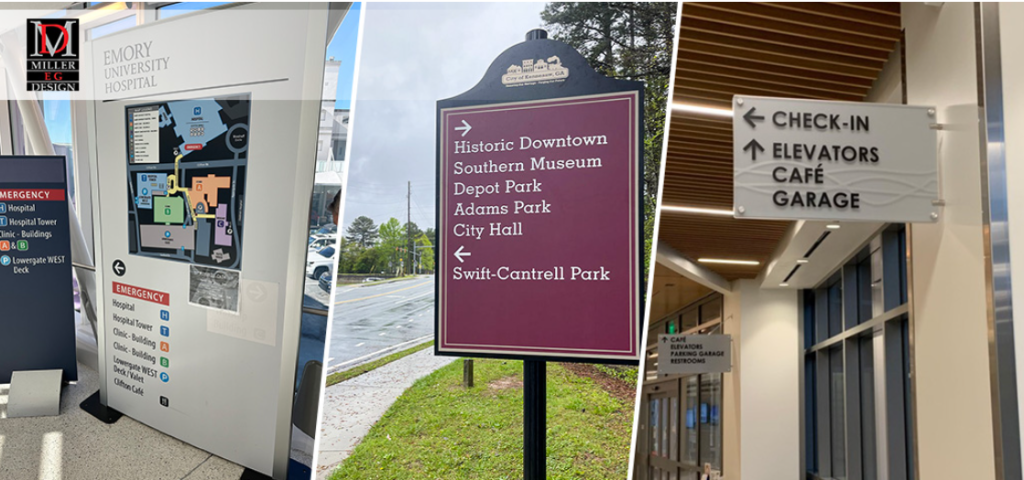
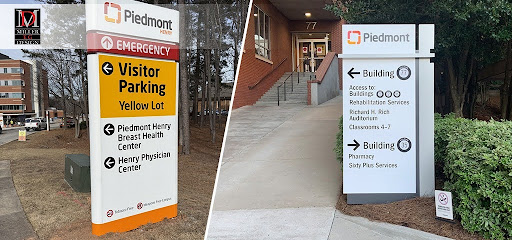
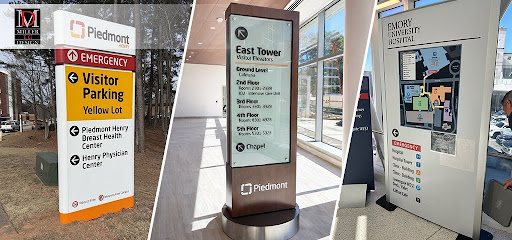
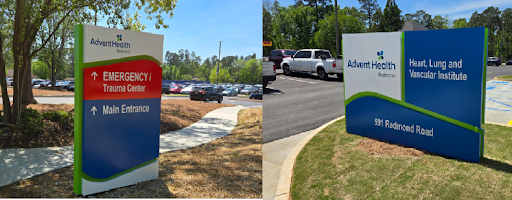
Wayfinding is the system of signs, symbols, and spatial cues that guide people through a physical environment. In healthcare settings, clear and intuitive wayfinding is essential. Confusing layouts or unclear signage can heighten stress for patients and visitors who are already dealing with emotional or medical concerns.
Effective wayfinding design goes beyond basic signage. It incorporates color coding, typography, architectural cues, and spatial landmarks that make navigation intuitive. When patients can easily find their destination without confusion, their overall experience improves significantly.
How Experiential Graphics Bring Everything Together
Experiential graphics merge healing art and wayfinding into a cohesive visual system. Instead of treating signage and artwork as separate elements, they are designed to work together to tell a story, reinforce identity, and guide movement throughout a space.
For example, a corridor might feature nature-inspired artwork that gradually shifts in tone and color to indicate progression toward different departments. Floor patterns, wall graphics, and illuminated signage can all work together to subtly guide patients while maintaining a soothing atmosphere.
This approach not only enhances functionality but also transforms healthcare environments into immersive, emotionally supportive spaces.
Improving Patient Outcomes Through Design
While experiential graphics may seem like a purely aesthetic enhancement, their impact extends far beyond visuals. A well-designed environment can directly influence patient satisfaction, reduce perceived wait times, and improve overall trust in healthcare providers.
When patients feel comfortable and oriented, they are less likely to experience anxiety. Staff also benefit from clearer navigation systems, reducing interruptions and improving operational efficiency. In this way, design becomes an active part of the healing process.
Creating a Sense of Identity and Trust
Healthcare facilities often struggle with creating a warm, welcoming identity. Experiential graphics help establish a consistent visual language that reflects care, professionalism, and empathy. By integrating branded design elements with healing visuals and intuitive navigation, we can create spaces that feel both trustworthy and comforting.
This balance between functionality and emotion is what sets modern healthcare environments apart from traditional institutional designs.
The Future of Healing Environments
As healthcare continues to evolve, the demand for patient-centered design will only grow. Integrating healing art and wayfinding through experiential graphics represents a shift toward environments that actively support emotional and physical well-being.
We see a future where hospitals are not just places of treatment but spaces of comfort, clarity, and calm—where every visual detail contributes to healing.
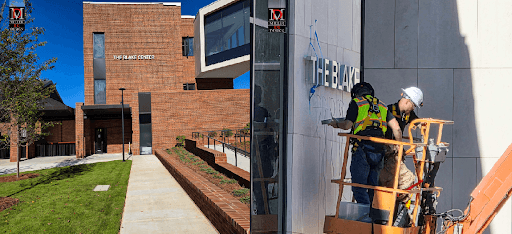
In our work, we at Miller EG Design focus on creating these transformative environments by combining thoughtful storytelling, strategic wayfinding systems, and healing visual design. We collaborate closely with healthcare facilities to ensure every project enhances patient experience while maintaining clarity and function. Based at 315 Northpoint Parkway SE, Suite F, Acworth, GA 30102, we are committed to delivering impactful experiential graphic solutions in Miami and neighboring areas, and you can reach us at (404) 947-6448.