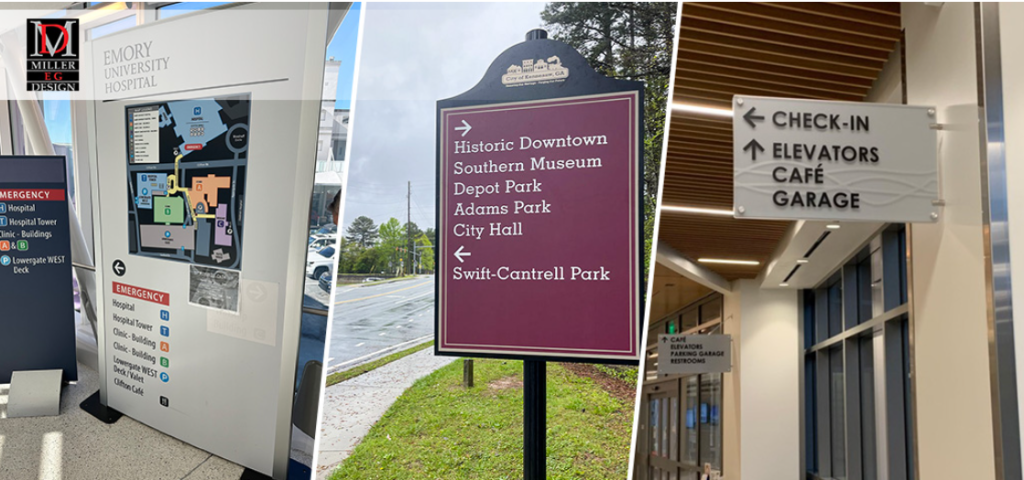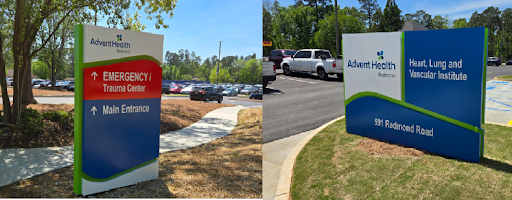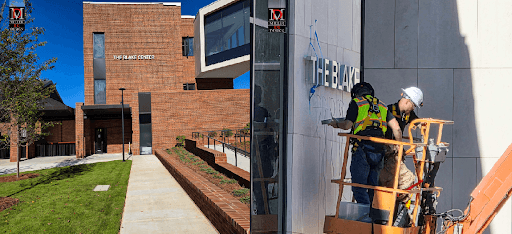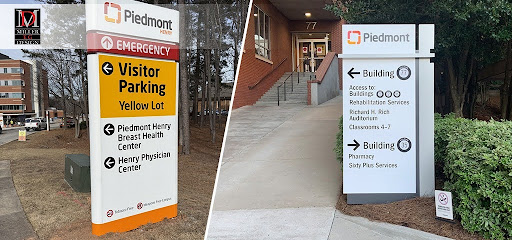
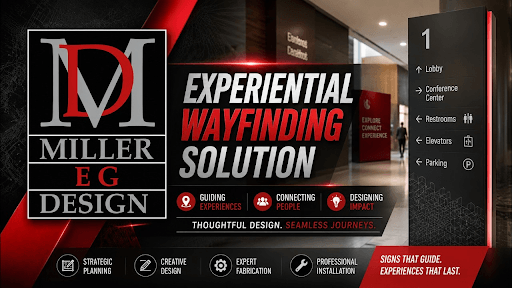
Navigating a large building, healthcare facility, educational campus, corporate office, or public space should feel simple and intuitive. However, confusing layouts, unclear signage, and inconsistent visual information can quickly create frustration and make visitors feel lost. Experiential wayfinding solutions help solve these challenges by combining strategic planning, environmental graphics, signage, and thoughtful design to create spaces that are easier to understand and more enjoyable to experience.
Wayfinding is more than placing signs throughout a building. It is a complete design approach that considers how people enter a space, move through it, identify important destinations, and interact with their surroundings. When designed effectively, wayfinding becomes a natural part of the environment and helps people reach their destination with greater confidence.
What Are Experiential Wayfinding Solutions?
Experiential wayfinding focuses on the entire journey a person takes through a space. It combines functional navigation with visual elements that communicate a location’s identity, purpose, and personality.
Traditional wayfinding may include directional signs, room numbers, maps, and identification markers. Experiential wayfinding expands on these elements by creating a more connected and engaging environment. Colors, shapes, graphics, lighting, architectural features, and branded elements can all work together to guide visitors while creating a memorable experience.
The goal is not simply to tell people where to go. It is to make navigation feel clear, comfortable, and intuitive from the moment they arrive.
Why Is Effective Wayfinding Important?
People form opinions about a location based on their experiences. If visitors struggle to find an entrance, locate an office, or understand where they should go next, their experience may begin with confusion and frustration.
Clear wayfinding can help:
- Reduce uncertainty and stress
- Improve visitor confidence
- Create smoother movement throughout a facility
- Make large or complex spaces easier to understand
- Support accessibility and inclusivity
- Strengthen brand recognition
- Improve the overall appearance and functionality of an environment
Wayfinding is especially valuable in locations where visitors may already feel overwhelmed, such as healthcare facilities, large campuses, government buildings, transportation centers, and multi-building properties.
Creating a Connected Visitor Journey
An effective wayfinding system considers every stage of the visitor journey. The experience may begin before someone enters the building through exterior identification, parking information, entrance signs, or directional markers.
Once inside, visitors may need help identifying reception areas, elevators, departments, waiting rooms, restrooms, exits, or other important destinations. A well-planned system provides information at the right time and in the right location.
Instead of relying on one large directory, experiential wayfinding creates a sequence of visual cues that guide people throughout the space. Each element supports the next, helping visitors make decisions without feeling overwhelmed by unnecessary information.
This approach creates a smoother and more organized experience while reducing the need for visitors to repeatedly ask employees for directions.
Blending Function With Brand Identity
Wayfinding can also serve as an important extension of a company’s or organization’s brand. The use of consistent colors, typography, imagery, and visual elements can help create a unified environment.
For example, a healthcare facility may use calming colors and nature-inspired graphics to create a more comfortable atmosphere. A corporate office may incorporate modern architectural graphics and branded colors to reinforce its professional identity. An educational campus may use distinctive visual elements to help students and visitors recognize different buildings or departments.
When functional information and brand identity work together, the space feels more intentional and cohesive. Visitors are not only guided to their destination but also introduced to the organization’s values and personality.
Designing for Different Users
Every space serves a variety of people with different needs and levels of familiarity. Employees may know the building well, while first-time visitors may have no understanding of the layout.
An effective experiential wayfinding system should consider these different perspectives. Information should be easy to recognize, simple to understand, and placed where people naturally need guidance.
Designers may consider factors such as:
- Viewing distance
- Sign placement
- Lighting conditions
- Color contrast
- Readable typography
- Accessibility requirements
- Language and symbols
- The expected flow of foot traffic
The goal is to create an environment that supports as many users as possible without making the space feel cluttered or visually overwhelming.
Wayfinding as Part of the Overall Environment
The strongest wayfinding solutions do not feel disconnected from the space. Instead, they become part of the environment through carefully integrated signage, wall graphics, architectural details, and visual landmarks.
Large-scale environmental graphics can help visitors recognize specific areas. Color-coded zones can make complex buildings easier to understand. Distinctive features can serve as memorable reference points and help people recognize where they are.
These elements can transform ordinary hallways, entrances, and shared spaces into environments that are both functional and visually engaging.
The Value of a Strategic Design Process
Successful wayfinding begins with understanding the space and the people who use it. Designers may evaluate the building layout, visitor behavior, traffic patterns, important destinations, and potential areas of confusion.
A strategic process helps identify where information is needed and what type of communication will be most effective. This may include exterior signage, interior directional signs, directories, identification systems, environmental graphics, or custom visual features.
Planning the system as a whole helps create consistency and prevents signage from becoming an afterthought. It also allows each element to support the larger visitor experience.
Transform Your Space With Experiential Wayfinding
Experiential wayfinding solutions can make a meaningful difference in how people experience a facility. By combining clear navigation with thoughtful environmental design, organizations can create spaces that are easier to explore, more visually connected, and more welcoming to visitors. The video highlights how experiential wayfinding brings together design and navigation to improve the way people move through and interact with an environment.
For professional wayfinding, environmental graphics, and experiential design solutions, contact Miller EG Design. Our team helps create visually engaging environments that support clear navigation, strengthen brand identity, and improve the overall visitor experience. Visit us at 315 Northpoint Pkwy SE Suite F, Acworth, GA 30102, or call (404) 947-6448 to learn more about our customized design solutions.
Watch the YouTube video here: Experiential Wayfinding Solutions