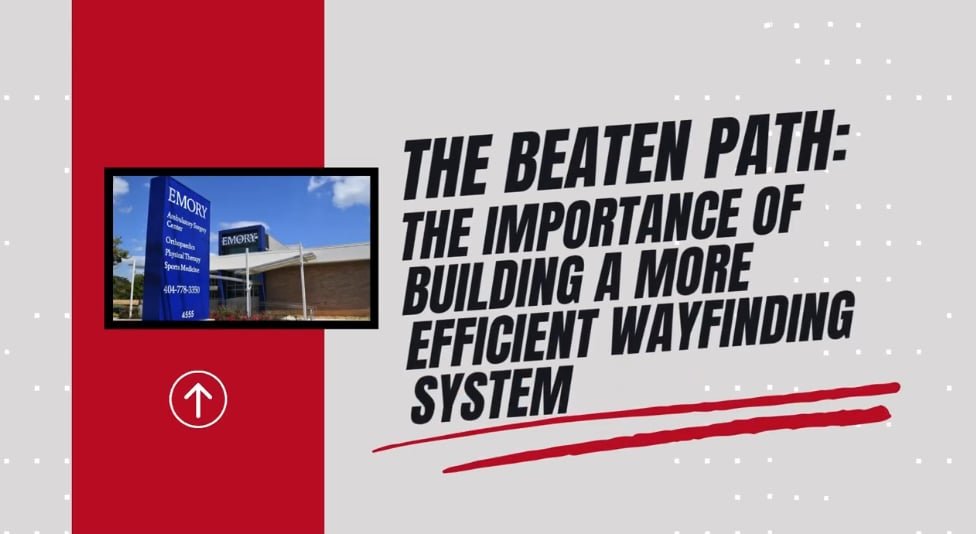
When counties grow, and public facilities become more complex, one essential factor often gets overlooked: how people find their way. Wayfinding is more than arrows and labels—it’s a system of communication, identity, and trust. In “The Beaten Path: The Importance of Building a More Efficient Wayfinding System,” Miller EG Design showcases how better signage can completely transform the public experience, using their partnership with Hall County as a powerful case study.
A Strategic Start: Reimagining Navigation Through Unified Design
Hall County partnered with Miller EG Design with a clear objective: improve wayfinding across multiple governmental facilities while strengthening the county’s brand identity. From the outset, this project was about more than new signs. It was about resolving confusion, enhancing circulation, and establishing a cohesive visual language that residents and visitors could rely on.
The team conducted a comprehensive evaluation of existing signage—identifying inconsistencies, visual clutter, and messaging gaps. This strategic groundwork ensured that every design decision was rooted in clarity and purpose, ultimately leading to a system that minimizes confusion and enhances the efficiency of public spaces.
Design Philosophy: Signage as a Storytelling Tool
Miller EG Design approaches wayfinding with a unique perspective: signage should tell a story. Rather than functioning solely as directional cues, signs should reinforce a sense of place, communicate identity, and reflect the community they serve. In Hall County’s case, this meant developing a visual language that grounded people in the environment—allowing them to navigate more confidently and intuitively.
This philosophy blends aesthetics with purpose. When signage reflects community values and architectural character, it becomes a meaningful part of the environment, not an afterthought.
Specific Solutions That Made an Impact
The Hall County project included a range of exterior and interior wayfinding elements designed with precision and long-term durability. Notable solutions included:
• Monument signs with stacked-stone bases that create a strong, architectural presence
• Illuminated parking deck signage that improves visibility and safety
• Interior directional signs featuring clear typography, strong contrast, and strategic placement to guide movement effortlessly
Every component—from materials to proportions—was crafted to ensure consistency, readability, and resilience.
Material Choices and Aesthetic Details That Reflect Community Character
To reinforce a sense of place, Miller EG Design incorporated natural textures and motifs that align with Hall County’s local character. Elements such as stone bases, wood tones, wave-inspired graphics, and durable finishes create a warm yet dependable visual identity. This attention to materiality ensures the signage system not only performs well but also enhances the architecture around it.
A Cohesive System With Measurable Public Benefits
The outcome is a unified wayfinding system that:
• Reduces confusion and decision fatigue
• Helps visitors navigate government campuses more efficiently
• Strengthens brand consistency across all facilities
• Enhances the beauty and professionalism of public spaces
• Instills community pride by reinforcing identity and place
By reducing visual clutter and aligning messaging hierarchies, Hall County now benefits from a system that truly serves its residents.
Why Efficient Wayfinding Matters Now More Than Ever
Clear wayfinding supports public service, accessibility, and community engagement. When signage is thoughtfully designed, it improves experiences for everyone—from first-time visitors to long-time residents. Miller EG Design’s work with Hall County demonstrates how environmental graphics can transform not just how people move, but how they feel within a space.
To explore the full case study and see the transformation in action, watch the video here:
THE BEATEN PATH: WHY EFFICIENT WAYFINDING SYSTEMS MATTER IN MODERN PUBLIC SPACES