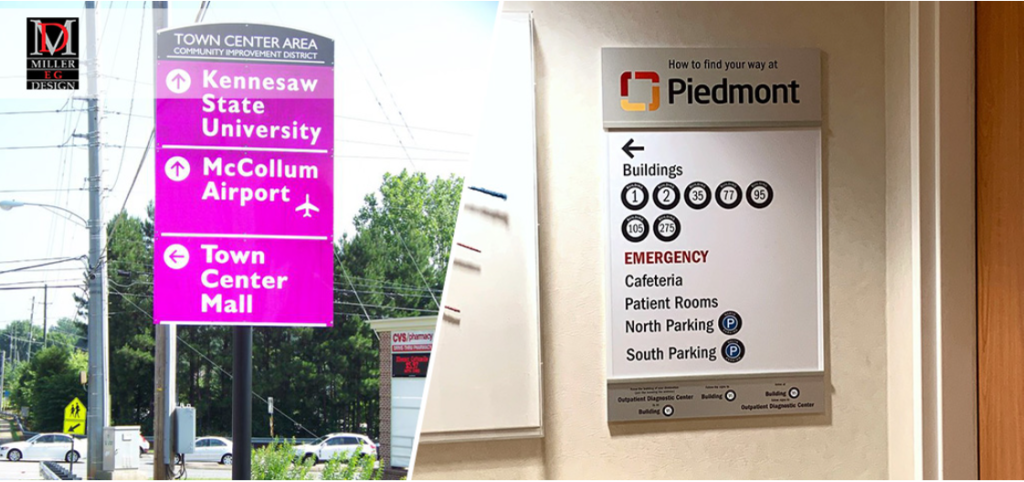
Modern developments, whether they are corporate campuses, healthcare facilities, retail complexes, or mixed-use urban centers, demand more than just architectural beauty—they require intuitive navigation. Wayfinding, the art and science of guiding people through physical spaces efficiently and safely, has become a critical element in modern design. While many organizations underestimate its importance, professional wayfinding consultation can make the difference between a confusing environment and a seamless experience.
The Growing Importance of Wayfinding in Complex Environments
As developments become larger and more intricate, visitors and occupants often face challenges in locating key areas. A poorly designed wayfinding system can lead to frustration, wasted time, and even safety risks in emergencies. In contrast, thoughtful wayfinding design ensures people move confidently and efficiently, which enhances overall satisfaction and perception of a space.
Consider hospitals or healthcare facilities: patients and visitors often arrive stressed or anxious. Clear signage and intuitive directional cues can significantly reduce confusion, creating a calmer, more reassuring environment. Similarly, in commercial or retail spaces, effective wayfinding encourages exploration and increases dwell time, ultimately contributing to better business outcomes.
Expertise Matters: What Professional Wayfinding Consultants Bring
Professional wayfinding consultants bring a combination of design expertise, behavioral psychology, and spatial analysis to every project. Their approach goes beyond simply placing signs; it involves understanding how people perceive, interpret, and interact with their surroundings.
Consultants conduct detailed assessments of traffic flow, sightlines, lighting conditions, and user behavior patterns. By evaluating these factors, they create signage and environmental cues that guide people naturally through a space, reducing reliance on maps or digital devices. This strategic approach ensures accessibility for everyone, including individuals with visual impairments or mobility challenges.
Moreover, professionals stay informed about industry standards and best practices, including ADA compliance, color contrast requirements, and universally recognized symbols. This knowledge guarantees that the wayfinding system is not only effective but also legally compliant and inclusive.
Technology Integration in Modern Wayfinding
The rise of digital tools has expanded the possibilities for wayfinding. Interactive kiosks, mobile apps, and dynamic signage can complement traditional environmental cues. Professional consultants help integrate these technologies seamlessly, enhancing the overall user experience without creating clutter or confusion.
For example, in large corporate campuses, a hybrid approach may combine static signage for permanent navigation with digital displays for real-time updates. In retail environments, interactive wayfinding can provide personalized directions, promotions, or accessibility options. Without expert guidance, however, technology can become a source of frustration rather than a helpful tool.
Cost-Effective Solutions Through Strategic Planning
Investing in a professional wayfinding consultation early in the development process can save high costs down the line. Retrofitting signage or redesigning navigation systems after construction is often expensive and disruptive. By incorporating wayfinding strategies from the start, developers can optimize layouts, improve traffic flow, and minimize operational inefficiencies.
Furthermore, clear wayfinding reduces staff dependency for directions, allowing personnel to focus on their primary responsibilities. This efficiency benefits both operational budgets and visitor satisfaction.
Enhancing Brand and Aesthetic Cohesion
Wayfinding is also a tool for reinforcing a brand’s identity and aesthetic. Thoughtfully designed signage, typography, colors, and materials can reflect the organization’s image while maintaining functionality. Professional consultants ensure that every element harmonizes with architectural design, creating a cohesive visual and navigational experience.
Modern developments are complex, high-traffic spaces that demand careful attention to navigation and user experience. Professional wayfinding consultation combines design expertise, behavioral insights, and technological integration to create environments that are intuitive, safe, and enjoyable to navigate. By investing in expert guidance, developers not only improve functionality but also enhance brand perception and operational efficiency.
For expert wayfinding consultation and design solutions, contact Miller EG Design at 315 Northpoint Parkway SE, Suite F, Acworth, GA 30102, or call (404) 947-6448 to learn how we can help make your development more navigable and user-friendly.