Miller EG Design

Resources

Technology Integration: Extending Wayfinding Beyond the Physical

The Evolution of Navigation Wayfinding has always been about clarity—guiding people through space with confidence and ease. Traditionally, this has been achieved through carefully designed physical elements: signage, landmarks, spatial cues, and environmental graphics.But as the environments we design become more complex—and the expectations of users continue to evolve—wayfinding must extend beyond the physical. Today, […]

Technology Integration: Extending Wayfinding Beyond the Physical Read More »
What is Experiential Wayfinding and Why It Matters

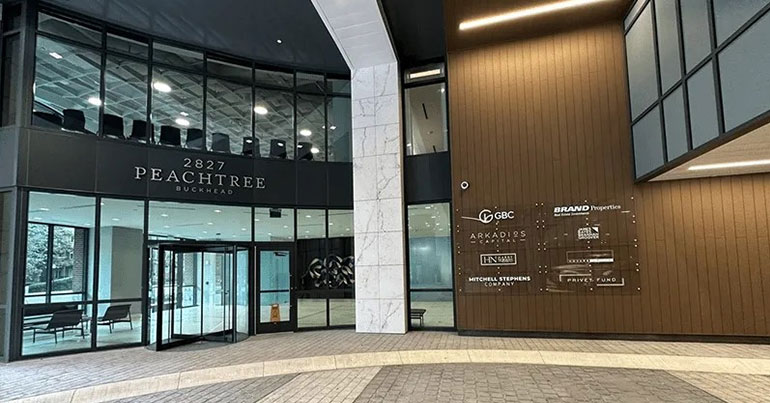
Experiential wayfinding goes beyond basic signage—it creates a navigational journey that is intuitive, emotionally resonant, and seamlessly integrated into the built environment. At Miller EG Design, we believe that every point of navigation is an opportunity to tell a story, communicate identity, and improve how people feel as they move through a space. Our vision

What is Experiential Wayfinding and Why It Matters Read More »

Achieve Better Wayfinding with a Logical information Flow

When signs deliver too much—or too little—at the wrong time, people get lost. Logical information flow ensures your signage system speaks in the right order, helping users move confidently, efficiently, and without hesitation. Our solution is centered on logical sequencing of information—from high-level navigation to room-specific identifiers—allowing patients, staff, and visitors to absorb only the information

Achieve Better Wayfinding with a Logical information Flow Read More »

Why Consistency Counts: Visual Design That Builds Trust

Consistent design doesn’t just look good—it helps people move confidently through a space. See how Miller EG Design used visual consistency to unify wayfinding across Hall County’s government facilities. Better Wayfinding: Designing Trust: The Power of Consistency in Visual Wayfinding In wayfinding, clarity is king—but consistency is the glue that holds a signage system together.

Why Consistency Counts: Visual Design That Builds Trust Read More »

Optimizing Navigation: 12 Factors for Better Wayfinding

Wayfinding is a critical component for organizations looking to improve customer experiences and operational efficiency within their spaces. By addressing key design, technology, and user-focused factors, decision-makers can create environments that are intuitive to navigate, accessible to all, and aligned with organizational goals. Here are 12 factors to consider when purchasing and implementing wayfinding signage

Optimizing Navigation: 12 Factors for Better Wayfinding Read More »

Factors That Influence Ease of Wayfinding in a Hospital Setting

Analysis of “Factors That Influence Ease of Wayfinding in a Hospital Setting” by Mario Paul Summary of Mario Paul’s Dissertation Mario Paul’s research, Factors That Influence Ease of Wayfinding in a Hospital Setting, focuses on understanding how architectural design and environmental factors affect the ability of individuals to navigate hospital environments. The study emphasizes key

Factors That Influence Ease of Wayfinding in a Hospital Setting Read More »

Step-by-Step Guide to Crafting Experiential Graphics

Step 1: Understanding the Space and Its Users Initial Assessment: Conduct a thorough analysis of the physical layout and architectural features of the site. This includes evaluating existing signage, pedestrian flow, and key points of interest. User Needs Analysis: Engage with stakeholders and users to gather insights on their navigation challenges and preferences. Understanding the audience is

Step-by-Step Guide to Crafting Experiential Graphics Read More »